Billing & Payments
Billing that actually adds up
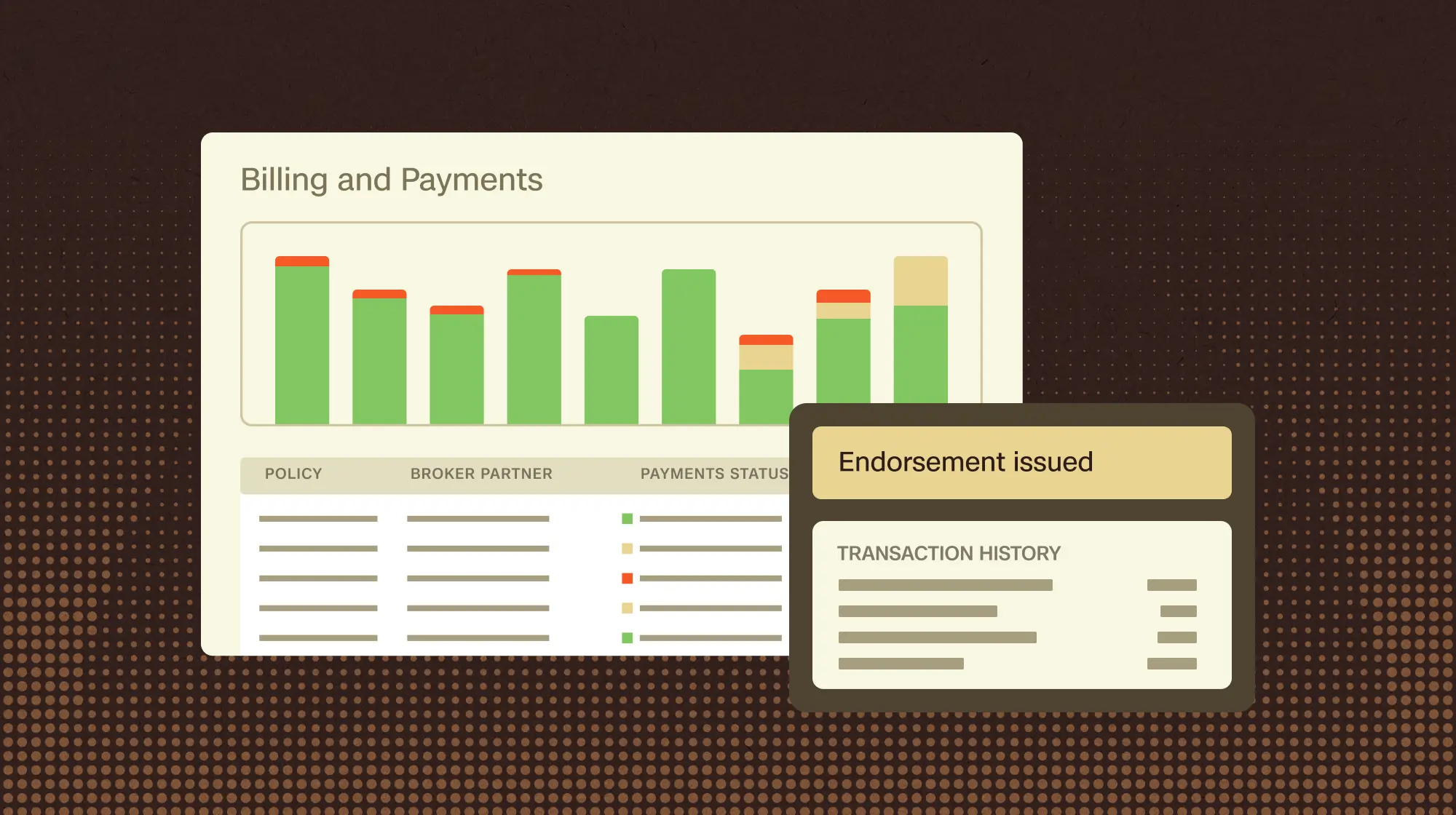
Every penny moves in lockstep with every policy change, just the way it should. Carriers, producers, and policyholders get exactly what they’re owed.
.png)
Every penny moves in lockstep with every policy change, just the way it should. Carriers, producers, and policyholders get exactly what they’re owed.
Each billing event becomes a signal to underwriting, guiding the decisions that strengthen your product offerings.

Launch new offerings in days, not months, with seamless billing setup.
Ensure revenue is recorded accurately in real time, even as policies change.

Deliver a transparent, frictionless payment experience for producers and policyholders, regardless of billing structure.
%201.avif)

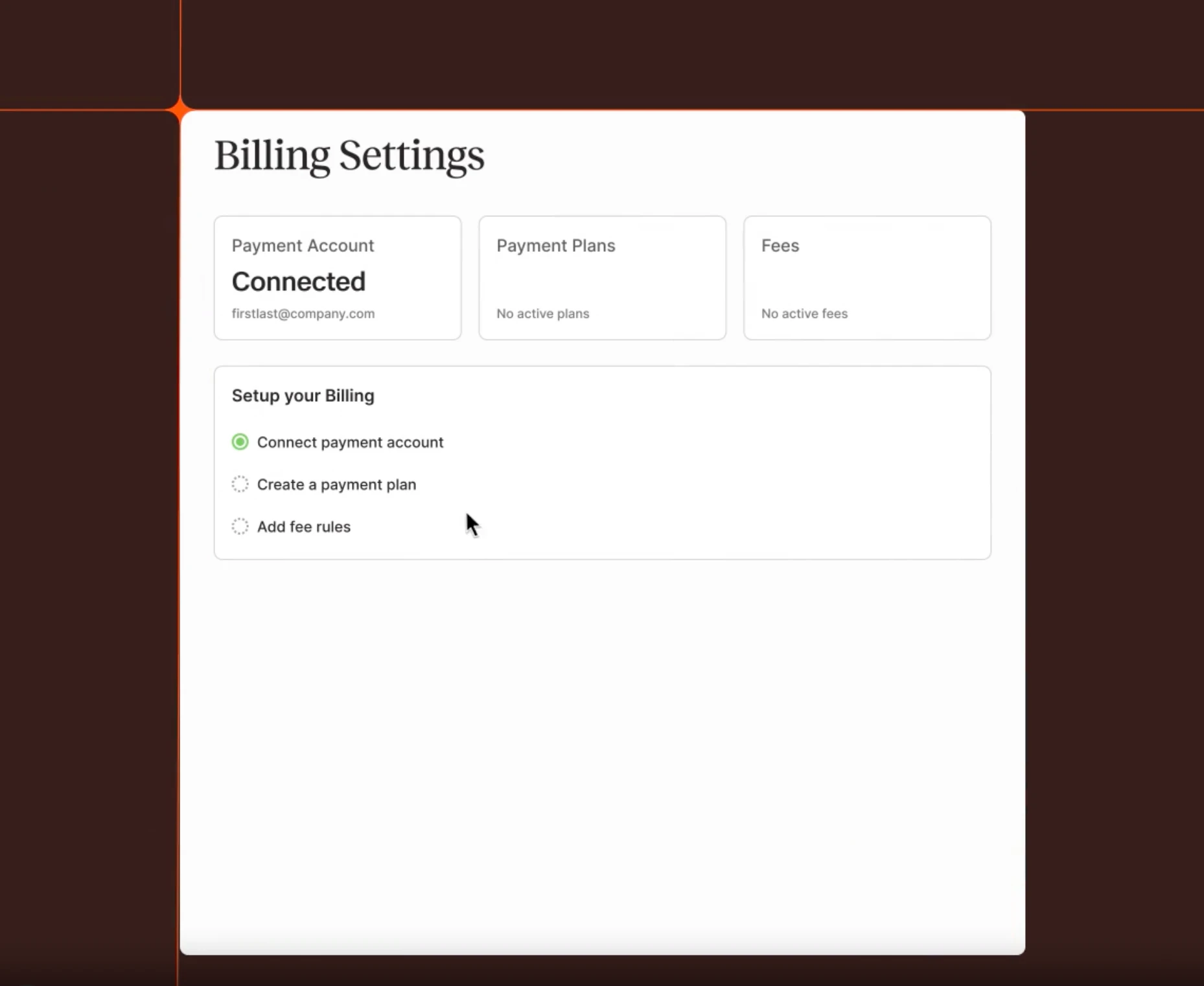
One setup, endless policies. Create billing rules, including installments, taxes, commissions, fees, and minimum earned premium with reusable templates across products.
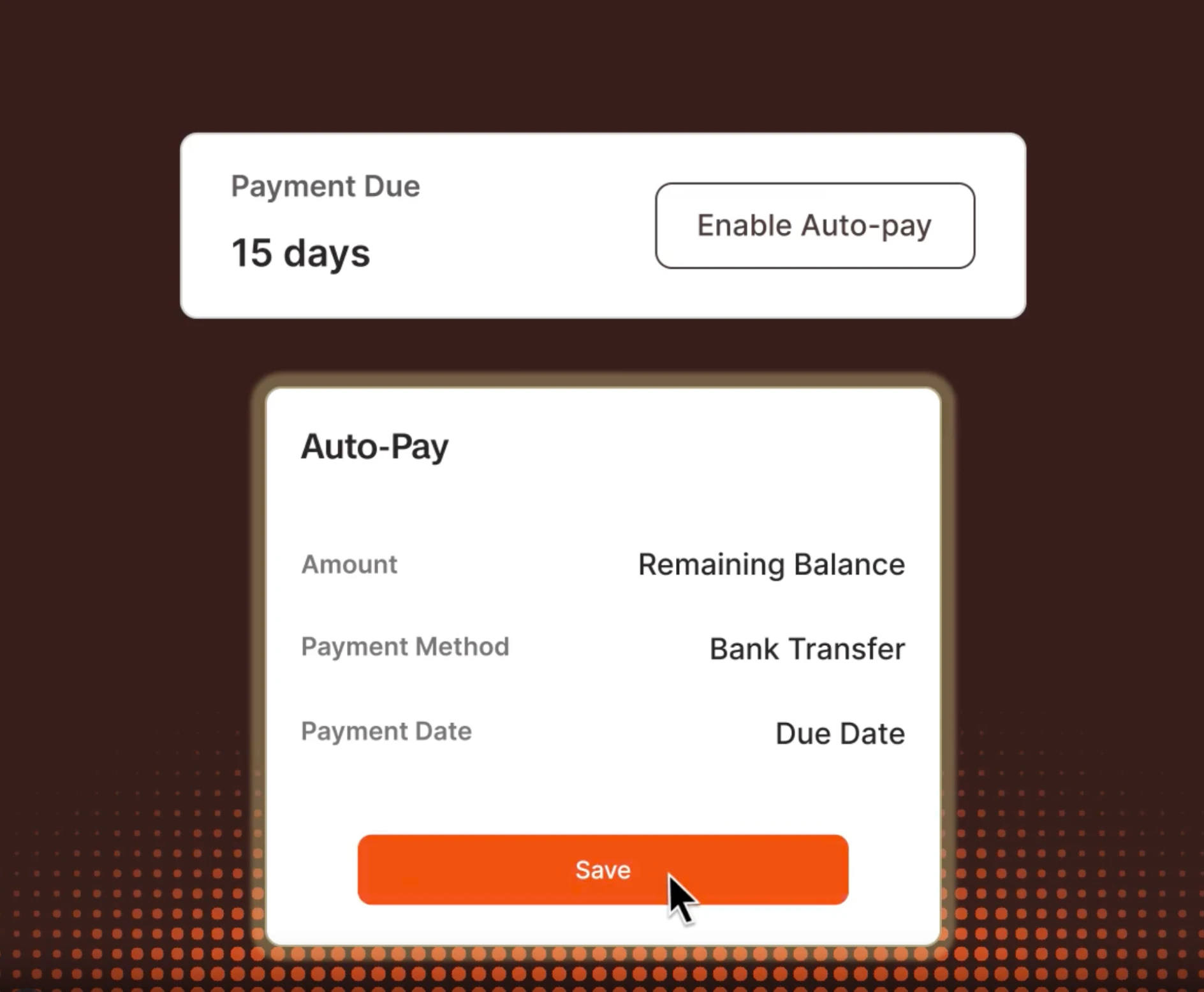
Every policyholder gets a clean, branded payment experience where they can pay by ACH, credit card, or premium financing.
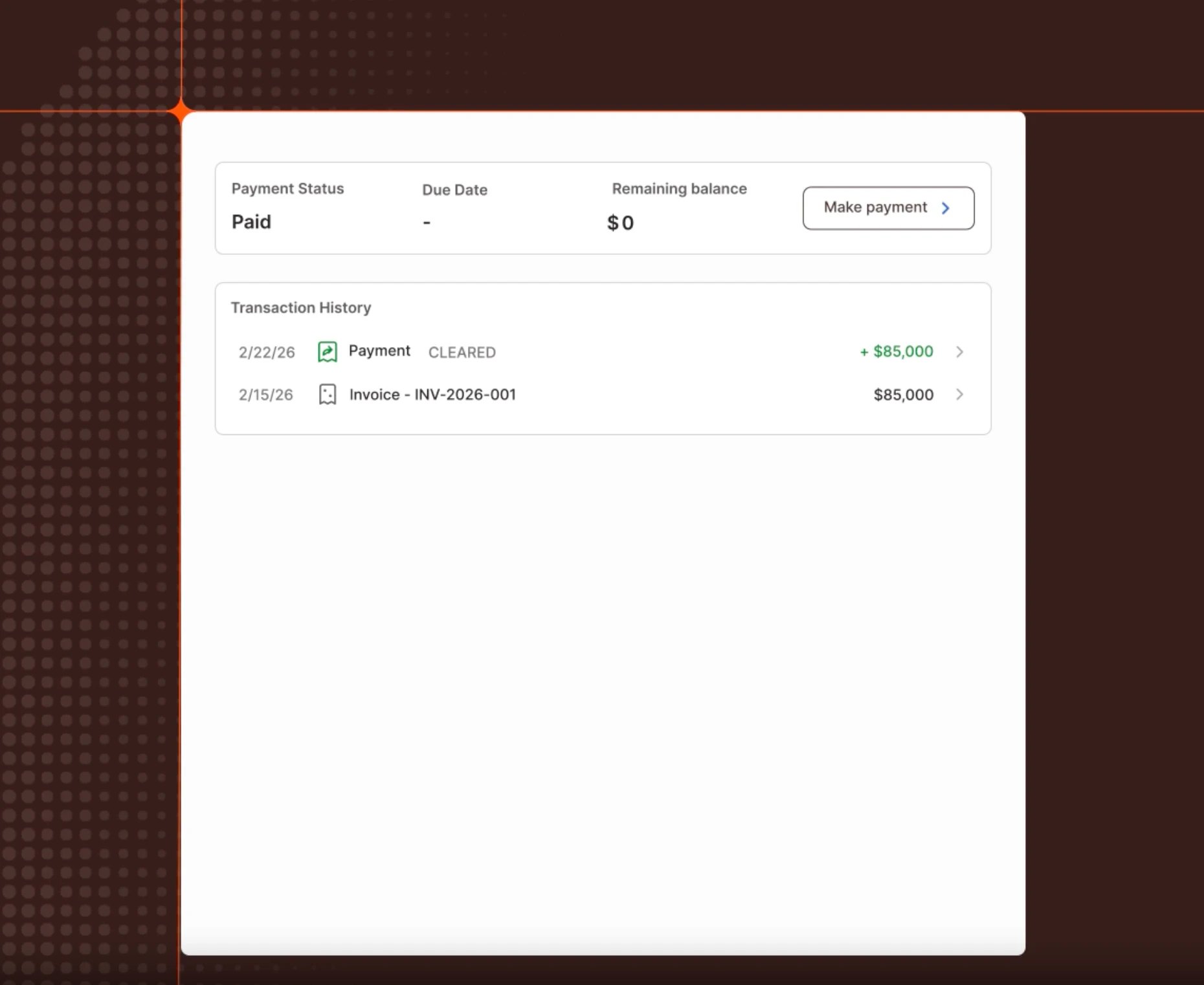
Whether it’s direct-billed or agent-billed, Federato automatically reconciles payments and commission disbursements in real time. Insurers, producers, and policyholders are always working from the same numbers.
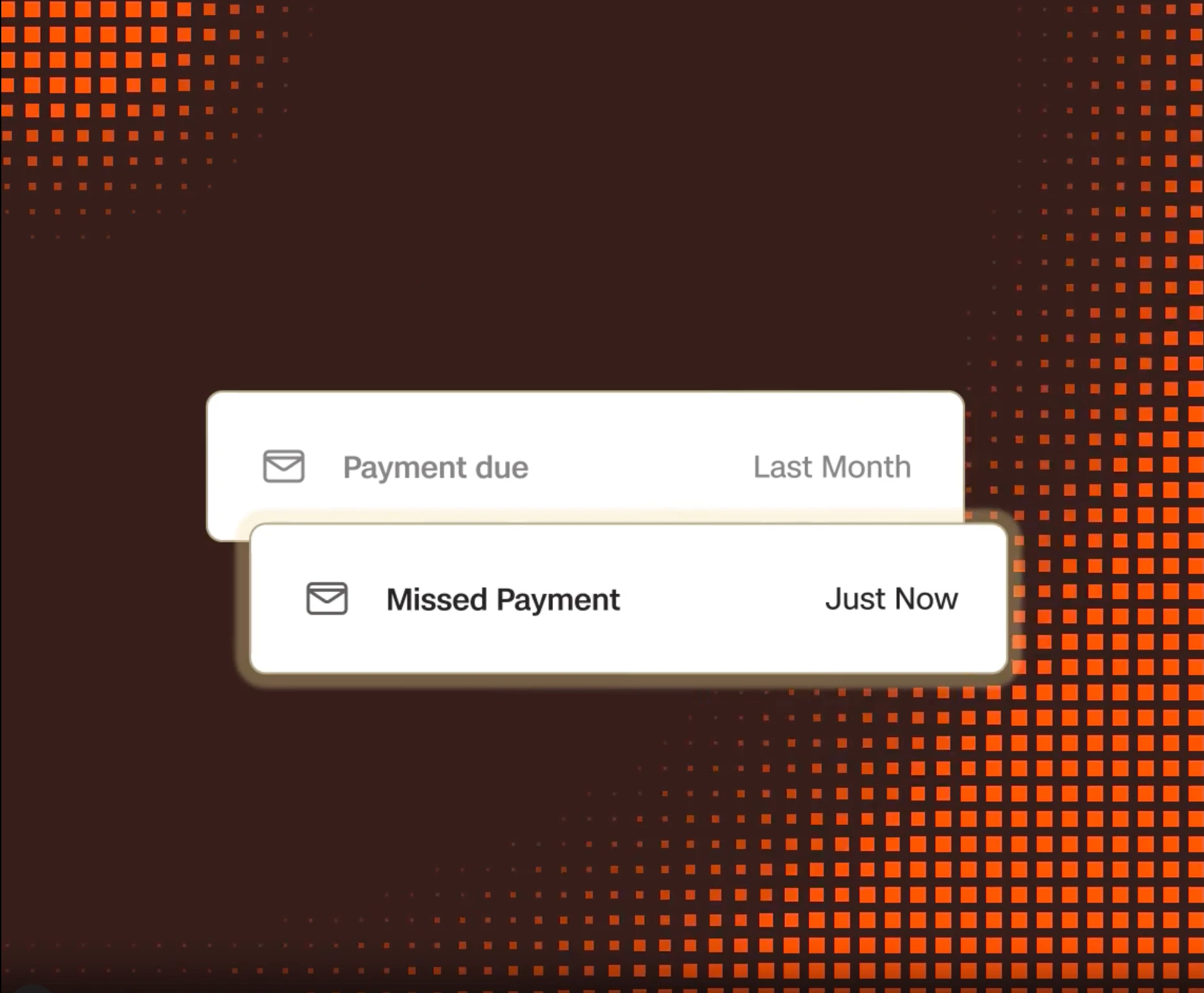
Automated notifications and configurable grace periods help prevent missed payments, with compliant cancellation workflows when delinquency persists.

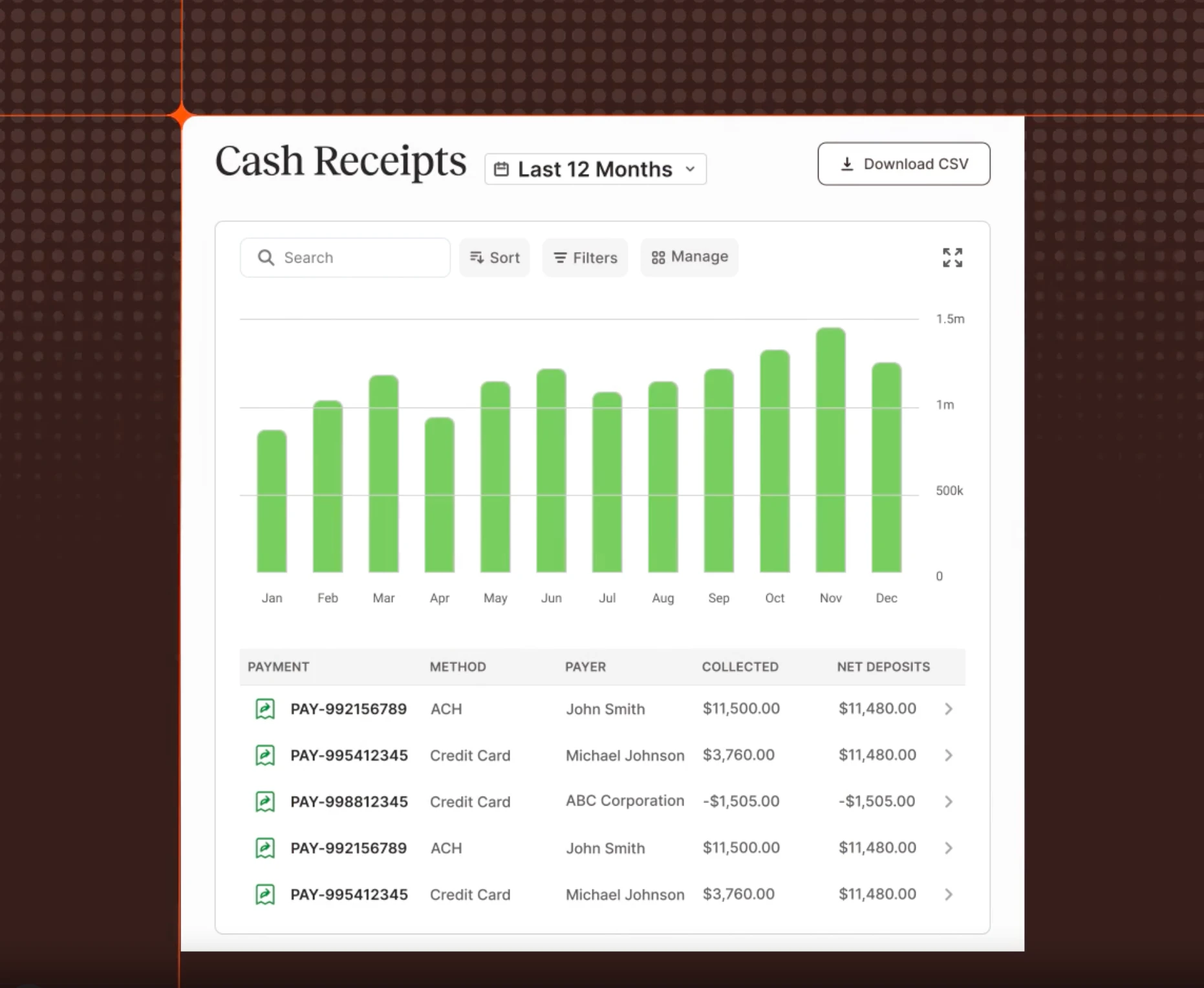
Every transaction is logged in purpose-built sub-ledgers. Tell your finance team they can quit chasing down month-end close numbers and focus on reviewing them instead.




Yes. Federato Billing supports direct bill and agency bill models for carriers, MGAs, and MGAAs. It automatically calculates premiums, taxes, fees, and commissions, remitting them to carriers or distributing commissions to partners. All billing activities are seamless for policyholders, ensuring accurate collections and a frictionless policy lifecycle experience.
Federato Billing recalculates premiums, taxes, fees, and commissions automatically for every policy change whether its endorsements, cancellations, renewals, or reinstatements. Installment schedules adjust in real time, return premium is computed where applicable, and all activity is logged with a full audit trail, reducing errors and manual reconciliation across underwriting and finance.
Yes. Federato Billing calculates taxes, fees, and regulatory charges based on jurisdiction-specific rules and embedded compliance logic. It helps insurers meet state and federal requirements, maintain audit readiness, and achieve accurate financial outcomes.
Federato Billing uses enterprise-grade security with encryption in transit and at rest, role-based access controls, and audit logging. Policyholder and partner financial data is protected while remaining transparent for regulatory compliance and audit purposes. Security is built into every step of premium collection and policy lifecycle billing.
Federato automatically reconciles payments and commission disbursements across direct bill and agency bill. Because billing and policy administration share the same data foundation, financial activity stays aligned with policy changes, reducing the manual reconciliation required between policy and billing systems.
Commissions stay connected to policy activity, with changes such as cancellations automatically calculating applicable commission clawbacks. Federato also supports commission allocation and disbursement to distribution partners.
Federato maintains a transaction-level record of billing activity connected to the policy events that generated it. Finance teams can track invoices, payments, receivables, commissions, and other financial activity and produce reporting such as transactional and earnings bordereaux and cash receipts reports. This gives teams greater traceability from financial results back to the underlying policy activity to support month-end close.